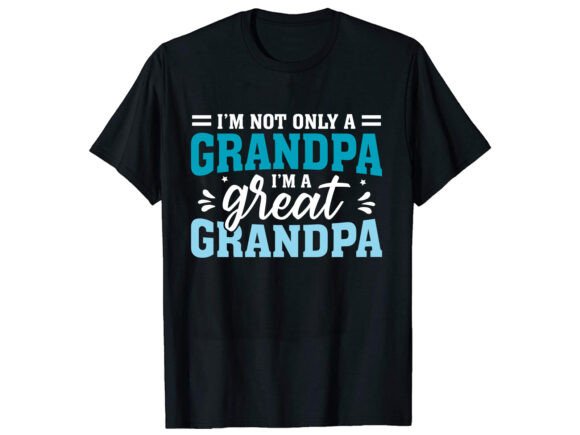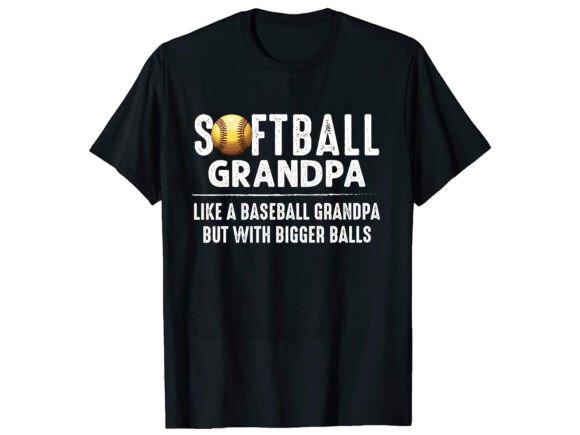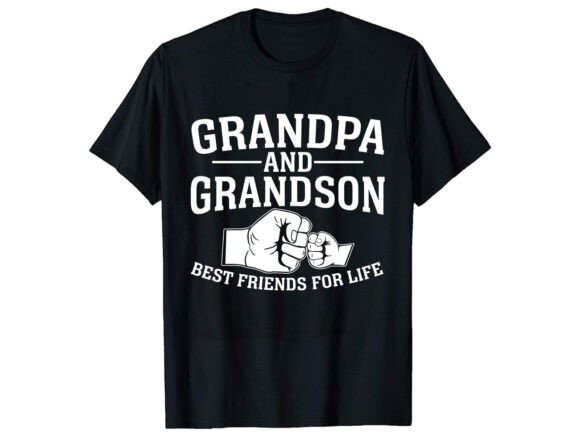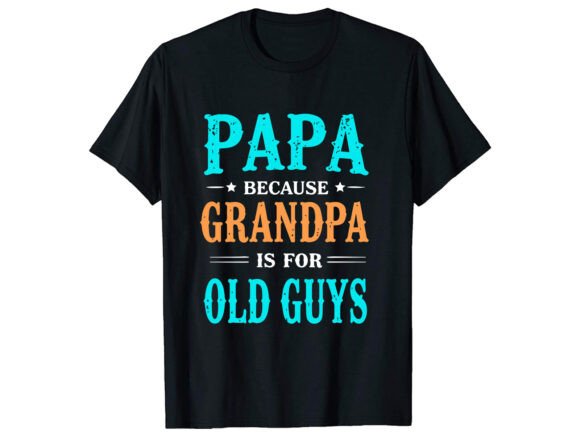
World’s Greatest Grandpa T-Shirt Design
A Warm, Clear First Impression — But Not for Every Fabric or Hoop
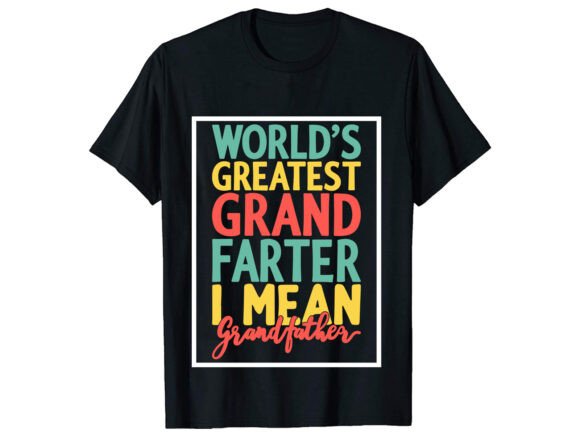
When I opened the World’s Greatest Grandpa T-Shirt Design, my first thought wasn’t “cute” or “trendy”—it was “this feels like a hug in font form.” The layout is centered and generous, with balanced spacing between letters and a subtle banner-like curve that suggests warmth without clutter. There’s no fussy script or over-the-top embellishment—just clean, confident lettering with gentle rounded edges and consistent stroke weight. That simplicity is its biggest strength—and its quietest warning.
Real-Life Test: A Custom Embroidered Tote Bag for a 70th Birthday
Last month, I used this design on a natural canvas tote bag for a client’s grandfather’s milestone birthday. We chose a medium-weight twill fabric, medium tear-away stabilizer, and navy thread on cream canvas. It stitched cleanly at 8.5 inches wide—the full width of the design as shown in the PNG preview. The result? Instant recognition, zero squinting, and genuine smiles from the whole family. Customers don’t just read “World’s Greatest Grandpa”—they *feel* it. That emotional resonance matters more than perfect kerning when you’re stitching gifts.
Where It Shines (and Where It Needs Extra Care)
This World’s Greatest Grandpa T-Shirt Design works beautifully on:
- Sweatshirts and hoodies — Its bold proportions fill the chest area without crowding, and the even stitch density holds up well on looped knits.
- Tote bags and aprons — The horizontal spread gives strong visual presence at arm’s length, ideal for boutique merchandise or craft fair displays.
- Pillow covers and tea towels — As a standalone phrase, it reads clearly even at 6–7 inches wide, making it adaptable across home goods.
- Personalized baby blankets and nursery decor — When scaled down to 4.5 inches and stitched with soft pastel threads, it keeps its sincerity without looking juvenile.
But here’s where I pause—and why I always test before committing:
- Small hoop sizes (under 4x4 inches): The design isn’t built for tight spaces. Shrinking it below ~3.75 inches risks losing letter clarity, especially in the “G” and “R” curves.
- Stretchy or thin fabrics: On lightweight jersey or ribbed knit tees, the lack of interior detail means stabilizer choice becomes critical—cut-away helps prevent puckering far more than tear-away.
- Dark or textured fabrics: The design relies on contrast, not texture. On heather grey or corduroy, I recommend adding a white underlay or switching to a satin-stitch outline for definition.
- Caps and curved surfaces: The horizontal orientation doesn’t adapt easily to front-panel cap embroidery. You’ll need to reposition and possibly simplify spacing—don’t force it into a 2.5-inch tall arc.
What This Design Says About Your Finished Product
Using the World’s Greatest Grandpa T-Shirt Design signals intention—not just decoration. It tells your customer: *This gift was chosen with care, not grabbed off a trend list.* That builds trust, especially for Etsy sellers and small shop owners who rely on repeat buyers and word-of-mouth. In holiday embroidery or personalized gift contexts, its straightforward charm avoids competing with sentiment—it supports it.
That said, it won’t elevate a poorly stitched item. If your stitch density is too high on lightweight cotton, the letters will stiffen and distort. If your thread colors clash (e.g., bright yellow on khaki), the message gets lost in visual noise. This design rewards thoughtful execution—not just file import and press-go.
Practical Notes Every Embroidery Designer Should Check
Before using the World’s Greatest Grandpa T-Shirt Design in a real project, I always run through this checklist:
- Test on scrap fabric first — Especially if stitching on baby onesies or stretchy lounge wear.
- Review thread color contrast — Try it in black-and-white mockups to see how legibility holds up on light vs. dark backgrounds.
- Confirm hoop size compatibility — The PNG preview shows 4500×5400 pixels at 300 dpi—that’s roughly 15×18 inches printed—but embroidery files may be scaled differently. Always verify actual stitch dimensions.
- Inspect corners and inner curves — Look for potential nesting or thread jumps in tight turns. Some vector exports need minor cleanup before digitizing.
- Use proper stabilizer for fabric type — Medium cut-away for knits, tear-away for stable wovens, fusible for lightweight linens.
- Check licensing for commercial use — Since this is listed as a Graphics product, confirm whether resale of finished embroidered items or digital embroidery files is permitted.
Final Thought: Simplicity With Substance
The World’s Greatest Grandpa T-Shirt Design isn’t flashy—but it doesn’t need to be. In a market saturated with overly detailed monograms and trendy fonts, its calm confidence stands out. It works because it respects both the stitcher’s time and the recipient’s heart. For craft business owners building a catalog of heartfelt, easy-to-produce designs, this one earns its place—not as filler, but as a reliable anchor piece. Just remember: great embroidery starts with smart choices long before the needle drops.